Bulk Enzyme for Soy Sauce Brewing
Moromi Pulse supplies bulk enzyme inputs for soy sauce breweries that have already identified a practical bottleneck: slow hydrolysis, variable nitrogen release, difficult moromi handling, inconsistent filtration, or long fermentation windows that need tighter control.
As an enzyme supplier for soy sauce fermentation, we support breweries that need more than a catalog item. Your process has salt, temperature, pH, koji quality, mash solids, tank residence time, and traditional flavor expectations to protect. Our role is to help you select enzyme solutions that fit your brewery conditions, purchasing scale, and quality targets.
Request a quote for bulk enzyme supply, technical fit guidance, and lead-time planning.
Bulk enzyme inputs for controlled soy sauce brewing
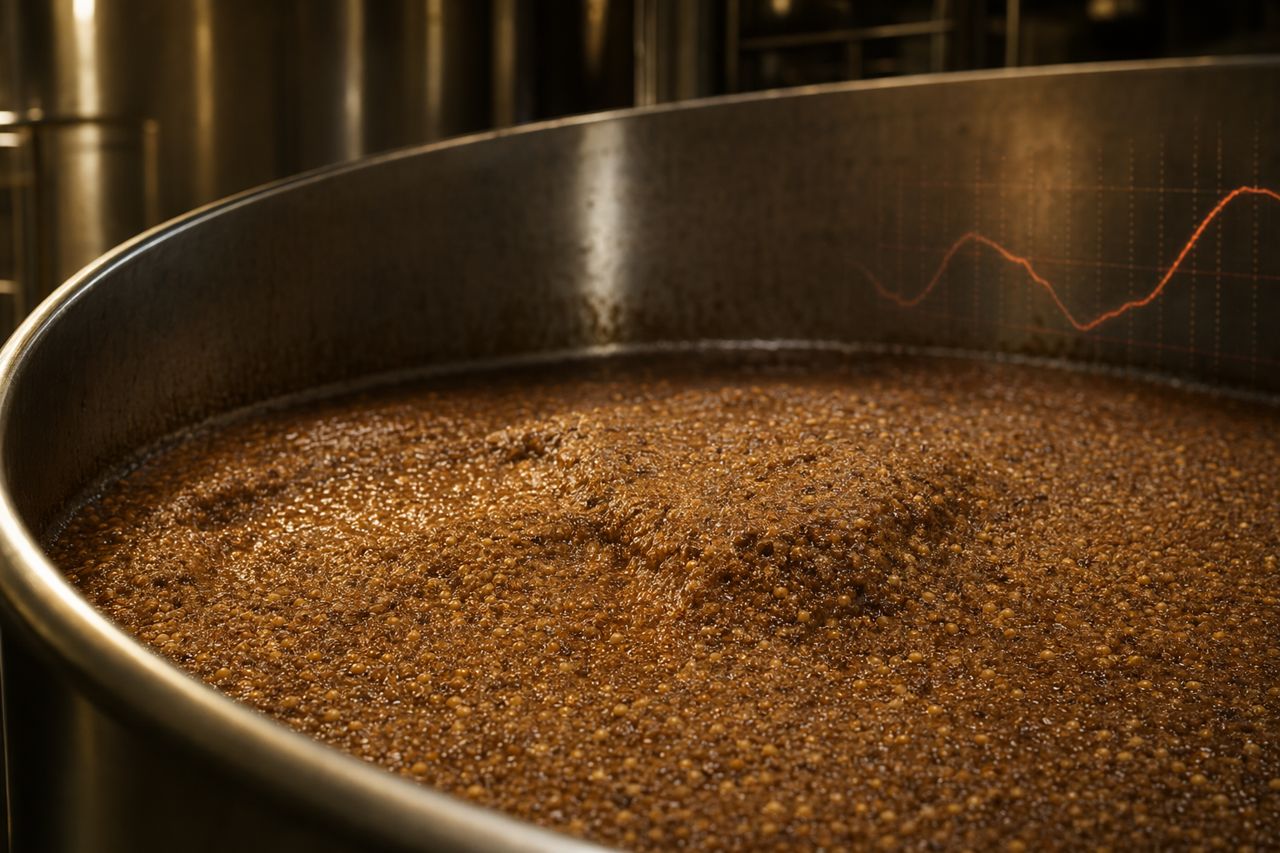
Soy sauce brewing depends on the steady conversion of soybean and wheat substrates into soluble peptides, amino nitrogen, sugars, aroma precursors, and fermentation-ready nutrients. When hydrolysis performance drifts, the effects are visible across the plant floor:
- Slower nitrogen release during early or mid-stage fermentation
- Higher moromi viscosity and less predictable tank mixing
- Flavor variation between batches, lots, or seasons
- Longer holding time before pressing or finishing
- Lower extract yield from the same raw material base
- Pressing and filtration behavior that changes without warning
- More corrective blending pressure downstream
Bulk enzyme addition is not about overriding fermentation character. Used with discipline, it helps breweries make hydrolysis more predictable while respecting the sensory profile expected from traditionally brewed soy sauce.
Where Moromi Pulse enzymes fit in the process
Moromi Pulse works with soy sauce breweries using enzyme inputs around defined process objectives. Typical applications include pre-fermentation substrate treatment, early-stage mash support, koji performance balancing, and targeted hydrolysis improvement before longer tank residence.
Protein hydrolysis support
Proteolytic enzyme systems can help improve the release of soluble nitrogen, peptides, and amino acid precursors from soybean proteins. This is especially useful when raw material variation, koji variation, or seasonal temperature shifts affect the pace of hydrolysis.
Buyer value:
- More consistent total nitrogen development
- Improved umami body and depth potential
- Reduced risk of under-developed mash character
- Better control when scaling from trial batches to bulk production
Carbohydrate breakdown and mash behavior
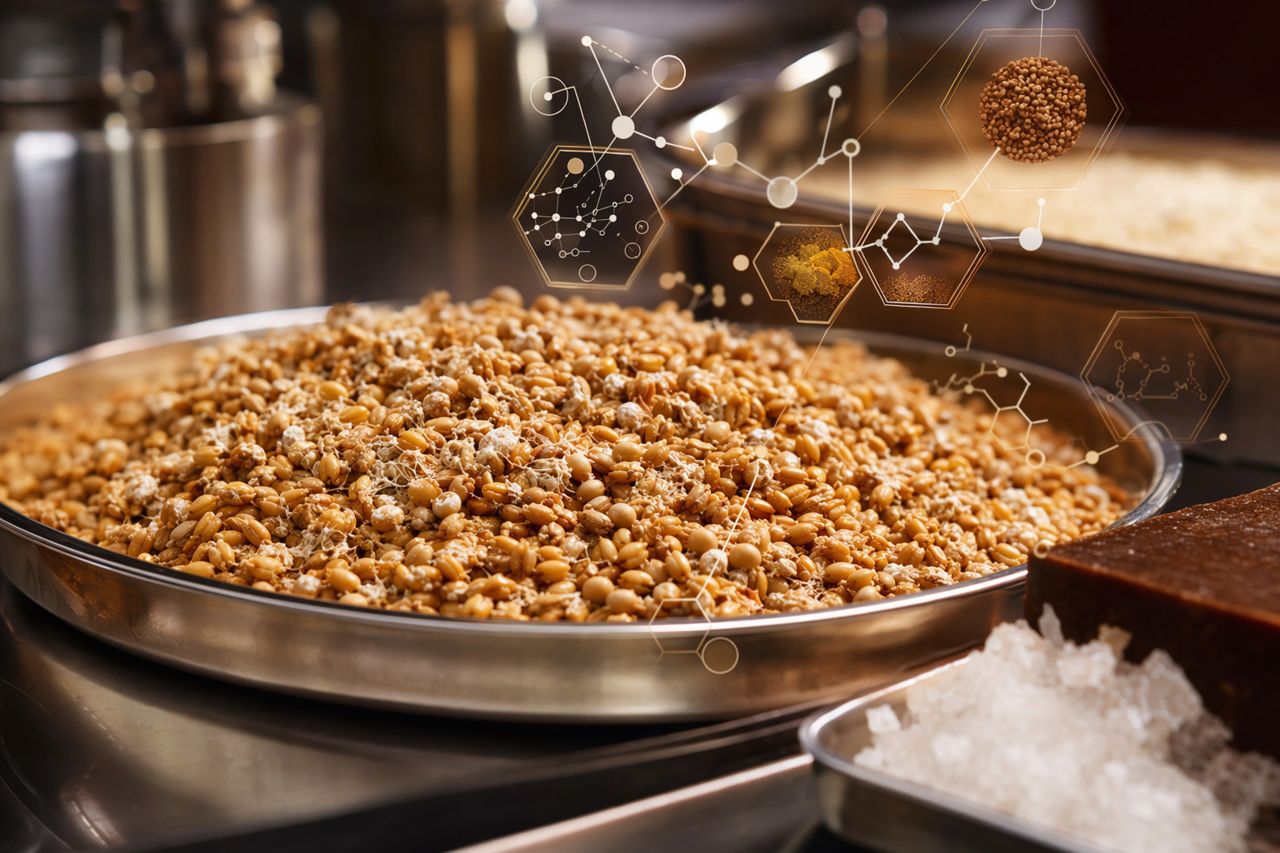
Carbohydrate-active enzyme systems can support the breakdown of starches and complex carbohydrates from wheat and other grain inputs. This can influence sugar availability, mash texture, and downstream fermentation balance.
Buyer value:
- More predictable fermentable substrate release
- Smoother mash handling under controlled addition
- Support for fermentation stability across raw material lots
- Improved process visibility during early moromi development
Viscosity and pressing improvement
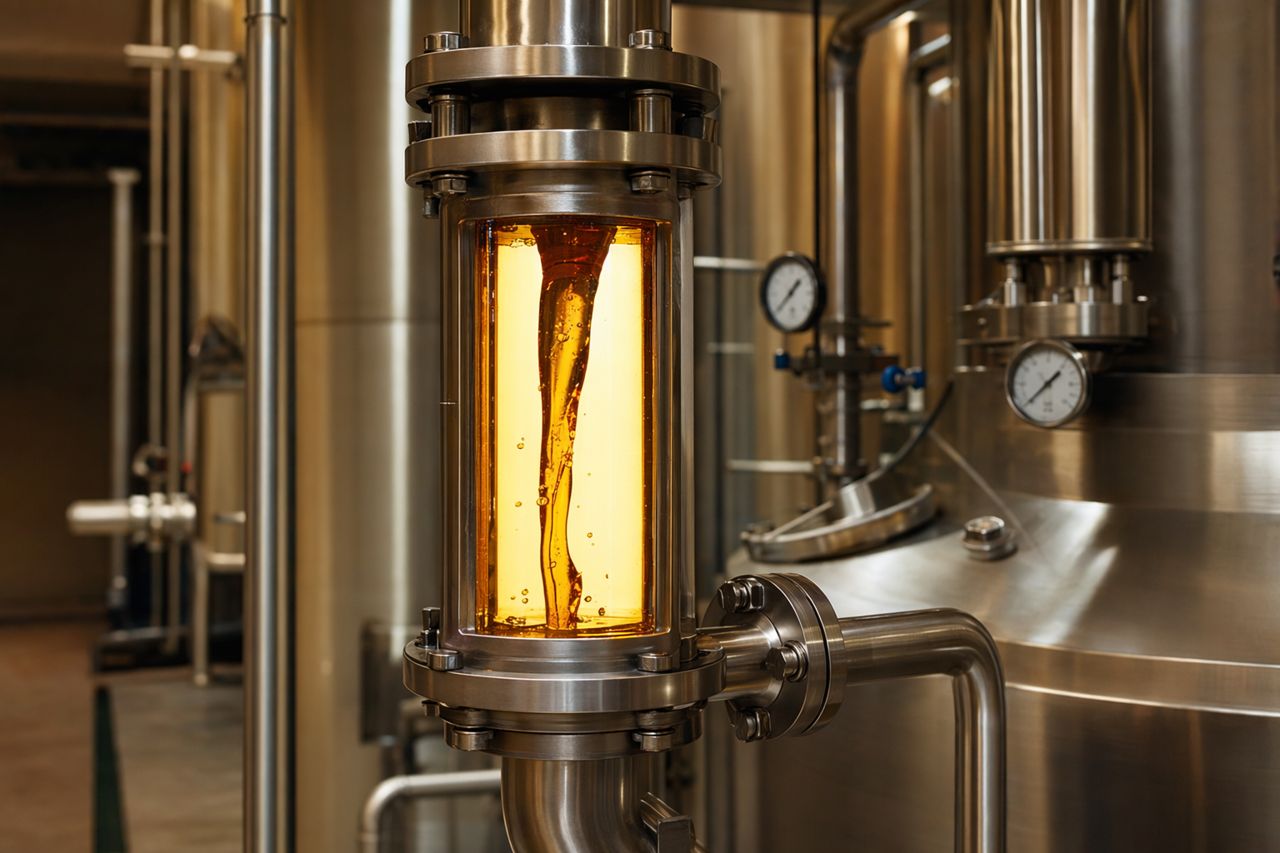
High or inconsistent mash viscosity can complicate mixing, pumping, pressing, and filtration. Enzyme selection can be used to manage soluble and insoluble matrix behavior without compromising the brewery’s desired flavor architecture.
Buyer value:
- Easier moromi movement and handling
- More stable pressing behavior
- Reduced filtration surprises
- Better use of tank and press capacity
Built for breweries buying in bulk
Bulk purchasing decisions are operational decisions. Fermentation managers need supply continuity, lot documentation, packaging that suits the plant, and technical alignment before large-scale use.
Moromi Pulse supports bulk enzyme procurement with:
- Enzyme recommendations matched to process conditions
- Batch and lot consistency expectations discussed before order
- Packaging options suitable for brewery handling
- Guidance for dosage discipline without over-treatment
- Trial-to-bulk transition planning
- Supply planning for seasonal or continuous production schedules
- Documentation support for internal quality review
We focus on practical brewery outcomes: controlled hydrolysis, stable flavor development, manageable mash behavior, and predictable performance from batch to batch.
What we evaluate before quoting
To quote accurately, we first need to understand your process target and production context. This avoids under-specified enzyme purchasing and helps ensure the recommended input is appropriate for your brewery.
Useful information includes:
- Brewing style and target finished soy sauce profile
- Soybean, defatted soybean, wheat, or other substrate composition
- Koji process details and known variability points
- Salt level and moromi conditions
- Typical fermentation time and desired adjustment window
- Main bottleneck: nitrogen release, viscosity, flavor development, pressing, filtration, or yield
- Current batch size and expected monthly or seasonal enzyme demand
- Preferred packaging format and delivery schedule
- Internal quality or documentation requirements
If you are still comparing enzyme routes, we can help structure a focused plant trial before bulk commitment.
Application goals we commonly support
Faster, more reliable nitrogen release
When amino nitrogen development lags, fermentation schedules can stretch and flavor maturity becomes harder to forecast. Targeted enzyme support can help increase hydrolysis reliability while maintaining a controlled sensory direction.
Improved umami consistency
Soy sauce quality depends on more than intensity. Breweries need repeatable umami depth, balanced salt perception, and clean fermentation character. Enzyme inputs can help reduce raw material-driven variation in the hydrolysis stage.
Better moromi handling
Moromi that is too thick or inconsistent can slow mixing, transfer, and pressing. Enzyme selection can support more predictable mash structure, helping production teams keep material moving without aggressive process changes.
More stable filtration and pressing
Filtration issues often begin earlier in the mash. By improving substrate breakdown and solids behavior, breweries may see more consistent pressing performance and less variability in downstream clarification.
Shorter or more controlled fermentation windows
Some breweries use enzymes to reduce uncertainty in fermentation timing. Others use them to protect quality when raw material quality changes. The goal is not simply speed; it is controlled development within the brewery’s standard.
Why fermentation managers choose Moromi Pulse
Soy sauce brewing rewards restraint. Enzyme use must be purposeful, measured, and aligned with the house profile.
Moromi Pulse brings a plant-floor view to enzyme supply:
- We understand moromi is a living, high-salt fermentation system
- We prioritize flavor consistency, not generic throughput claims
- We help connect enzyme choice to measurable brewery outcomes
- We support bulk buyers with practical supply and trial planning
- We avoid over-treatment and focus on dosage discipline
- We respect traditional quality standards while improving process control
The result is a calmer purchasing process and a more controlled fermentation program.
Bulk supply without guesswork
A bulk enzyme order should not begin with a vague product request. It should begin with the problem you are trying to solve.
Whether your brewery is improving nitrogen release, reducing mash viscosity, stabilizing pressing, or tightening batch-to-batch flavor control, Moromi Pulse can recommend enzyme inputs that fit your process reality.
Request a quote
Use the on-site request form to tell us about your brewing process, target application, and required bulk volume. We will respond with a practical supply recommendation, quote path, and any technical questions needed to confirm fit.
FAQ
Do enzymes change the traditional character of soy sauce?
They do not have to. The right enzyme strategy supports hydrolysis and process control while preserving the brewery’s intended flavor profile. Selection and dosage discipline are critical.
Can Moromi Pulse support plant trials before bulk purchase?
Yes. For breweries moving from process diagnosis to bulk buying, a focused trial can help confirm handling, nitrogen release, flavor direction, and downstream behavior before larger procurement.
What is the main benefit of bulk enzyme use in soy sauce brewing?
The main benefit is control: more predictable hydrolysis, improved batch consistency, better mash behavior, and clearer production planning.
Can enzymes help with difficult filtration?
In many cases, yes. Filtration and pressing behavior are influenced by upstream substrate breakdown and moromi structure. We evaluate the cause before recommending an enzyme route.
What information is needed for a quote?
We typically ask for your application goal, substrate base, moromi conditions, batch size, expected usage volume, packaging preference, and documentation needs.