Enzyme supply for soy sauce breweries and seasoning manufacturers
Enzymespulse supplies enzyme inputs for soy sauce production: protease, amylase and cellulase for koji mash hydrolysis, moromi fermentation, pressing and clarification. We work with breweries, seasoning and condiment manufacturers, and the distributors and resellers who supply brewing inputs to them.
We start from the problem in your plant, not from a catalogue: slow nitrogen release, a mash that is too thick to move, uneven batches, or a press that clogs. Then we match the enzyme class and the supply format to that job.
Wholesale and bulk supply for manufacturers and resellers. Tell us the enzyme or the process problem, the quantity you need (trial lot or production volume) and the destination country. Pricing is quoted per order. Request a quote
Who we supply
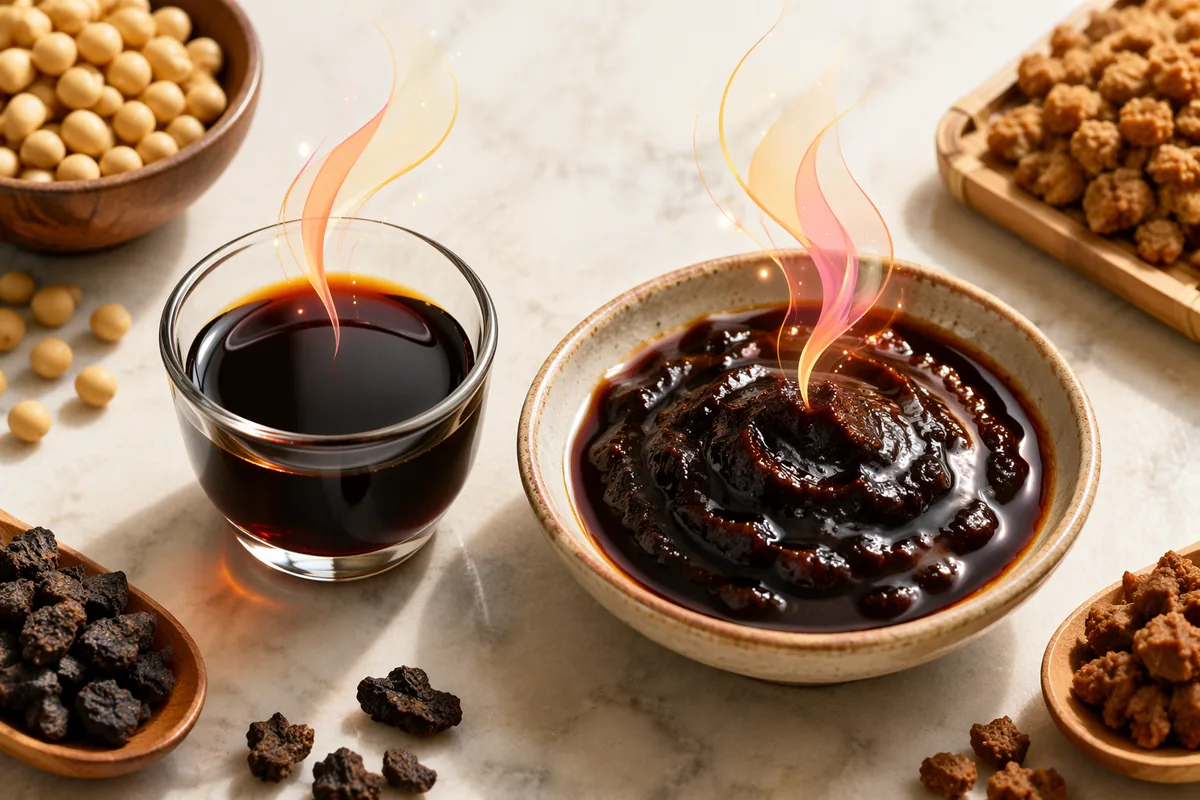
- Soy sauce breweries that want steadier hydrolysis, easier moromi handling and fewer surprises at the press.
- Seasoning and condiment manufacturers running soy-based or other protein hydrolysis lines.
- Distributors and resellers of brewing and food-processing inputs who need a supply partner for repeat orders.
- Procurement and technical teams comparing enzyme suppliers before a plant trial.
The problems we are asked to solve
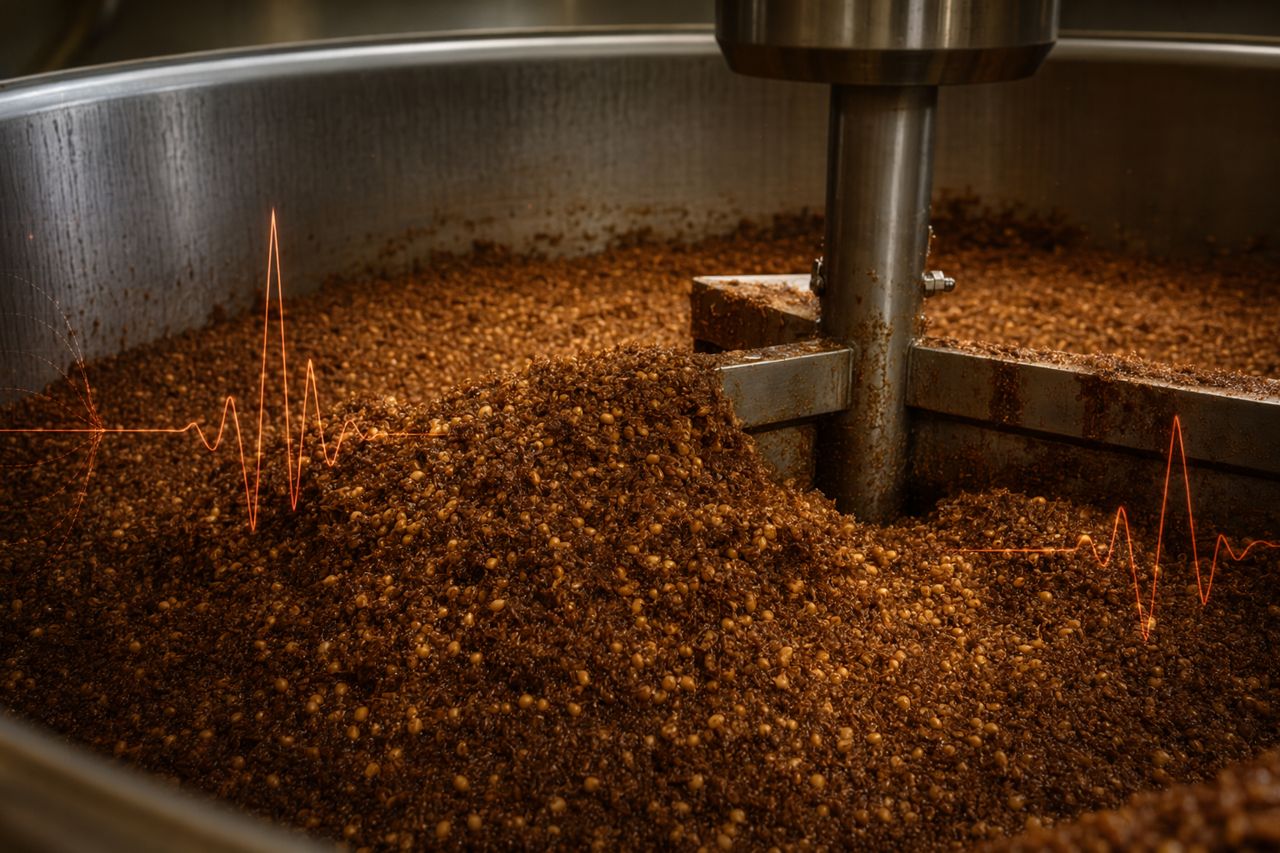
Soy sauce fermentation is not a clean spreadsheet process. Salt level, koji condition, mash temperature, raw material variation, tank geometry and hold time all shape the outcome, and an enzyme input has to respect that system. Buyers usually come to us with one of these:
- Slow nitrogen release during mash development
- Uneven umami depth from batch to batch
- High viscosity during moromi handling
- Starch conversion gaps that affect balance and fermentation behavior
- Difficult pressing or filtration caused by suspended solids and cell-wall material
- Overcorrection after aggressive dose changes
- Variation between raw material lots, koji runs and seasons
What we supply, by job
| Enzyme class | The job in a soy sauce plant | What the buyer watches |
|---|---|---|
| Protease | Protein breakdown in soybean and wheat; soluble nitrogen and umami development | Release timing, flavor balance, batch repeatability |
| Amylase | Starch conversion in wheat-containing substrates | Fermentable substrate, sweetness and color balance |
| Cellulase | Cell-wall breakdown that drives mash viscosity and separation | Mash transfer, pressing behavior, filtration load |
Protease for soluble nitrogen and umami development
Protease selection is central to soy sauce fermentation. The right protease program supports protein breakdown in soybean and wheat and helps soluble nitrogen formation. For a brewery the value is not simply stronger hydrolysis: it is better control over release timing, flavor balance and batch repeatability. See how we match enzyme activity to your koji.
Amylase for starch conversion and fermentation balance
Amylase breaks down starch in wheat-containing substrates and makes carbohydrate more available during fermentation. In soy sauce brewing this can influence microbial progression, sweetness, color development and overall balance.
Cellulase for mash viscosity and filtration behavior
Cell-wall material affects moromi flow, solid-liquid separation, pressing and filtration. Cellulase helps reduce that structural resistance without pushing the process away from its traditional character.
How a quote works
- Process review. You tell us your raw material base, koji practice, salt level, mash handling, fermentation time, separation method and quality targets.
- Enzyme fit. We recommend an enzyme direction for the objective: nitrogen release, viscosity, liquid recovery, consistency, or a combination.
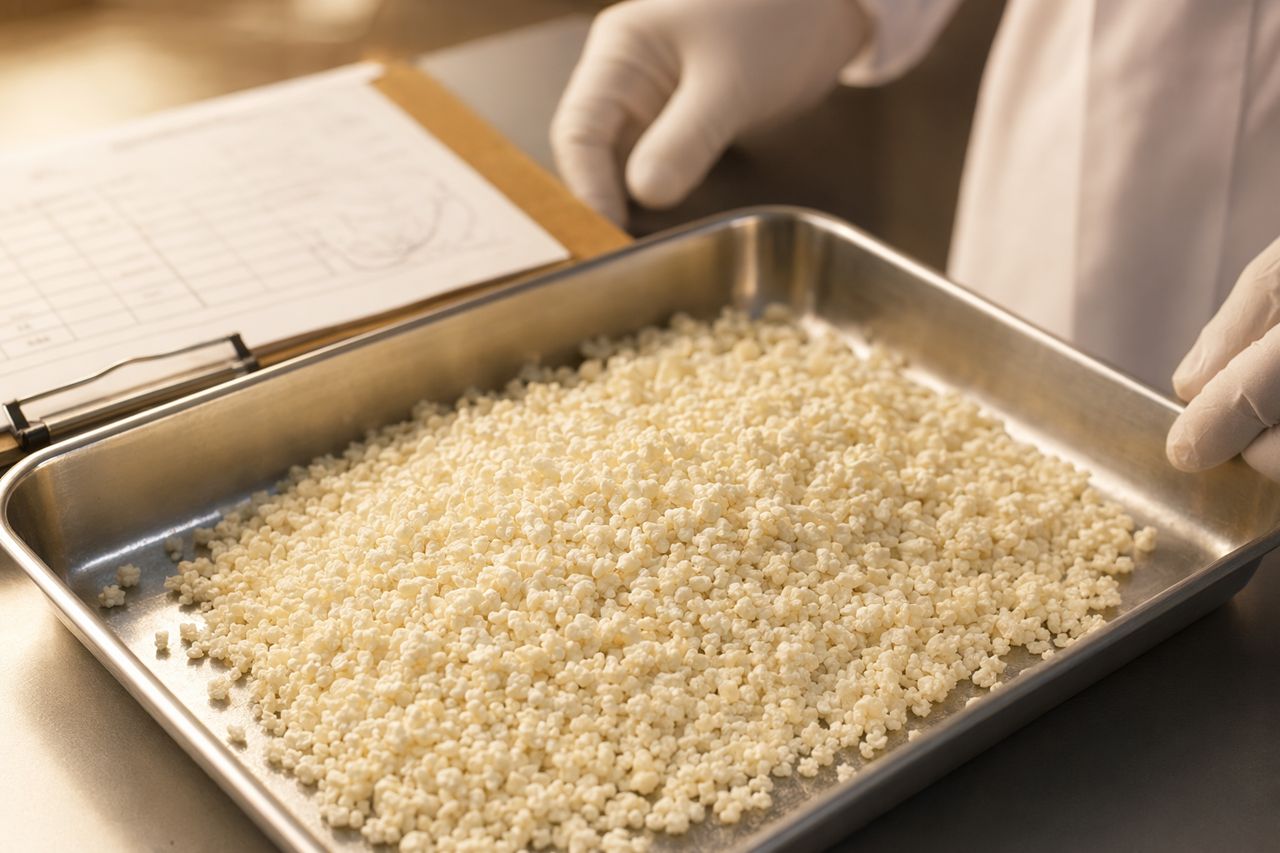
- Trial plan. We help set trial conditions, observation points, sample timing and the comparison against your current batches. See the trial plan.
- Production supply. Once a program is chosen, we quote production volumes per order and keep the same specification across repeat orders.
Dose discipline matters
Overcorrection can create flavor drift, texture changes or process imbalance; underuse leaves the same bottleneck in place. We work the same way every time: identify the constraint, choose the enzyme class for that bottleneck, trial under your plant conditions, track sensory, analytical and handling results together, and scale only after the brewery confirms the effect.
What to send in your inquiry
- The enzyme you need, or the production problem if you are not sure yet
- Quantity: a trial lot, or expected volume per order or per season
- Destination country and delivery point
- Soy sauce type or seasoning product, and the process stage (koji, mash, moromi, pressing)
- Salt level, fermentation time and any known bottleneck
- Documents your quality team needs to see before a trial
If some details are confidential, start with the problem and the outcome you need to protect.
Request a quote
Use the form below to request pricing for protease, amylase or cellulase for soy sauce and seasoning production. Wholesale and bulk quantities for manufacturers and resellers are quoted per order.