Enzyme for Koji Mash Hydrolysis
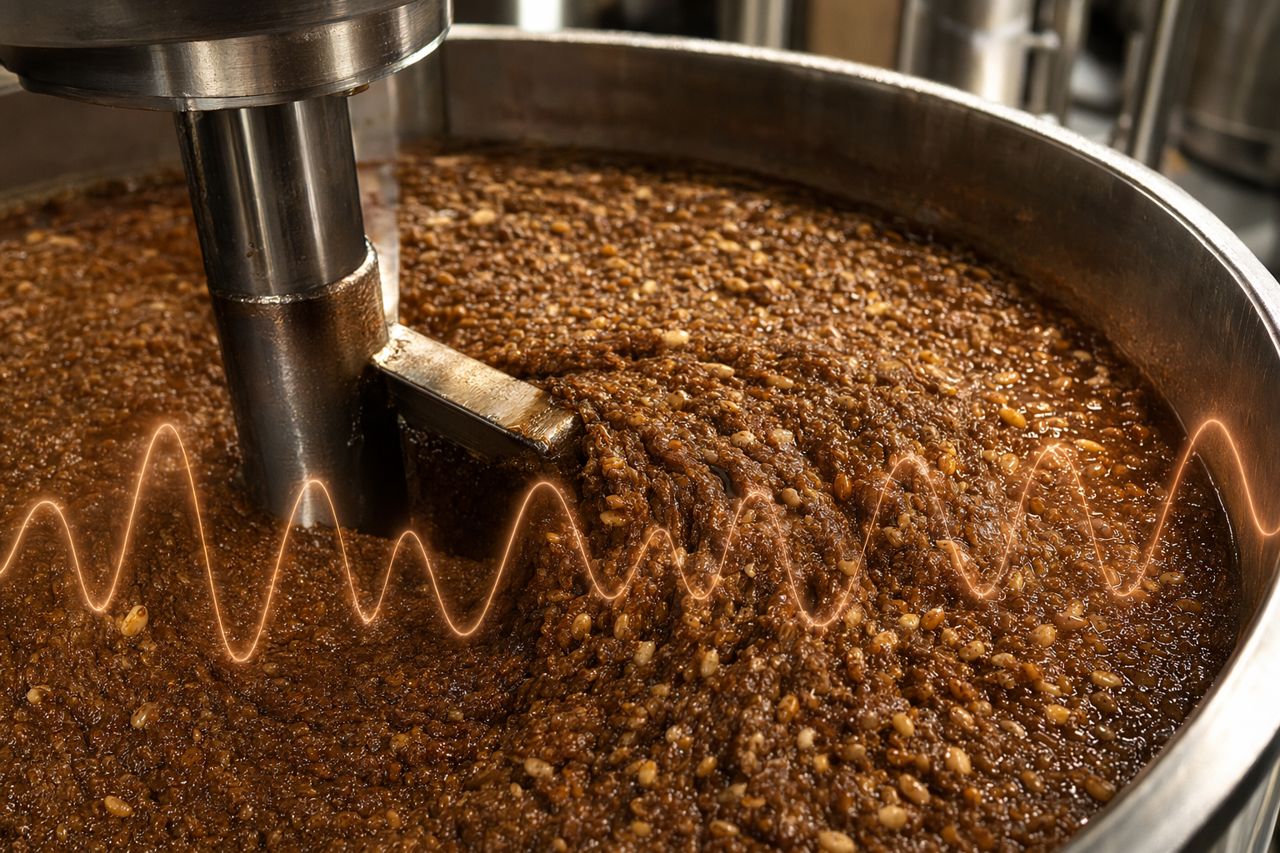
Koji mash hydrolysis sets the pace for soy sauce fermentation. When the mash opens cleanly, breweries can support stronger nitrogen release, more predictable soluble solids development, smoother moromi handling, and better extractability at pressing.
Moromi Pulse supplies enzyme solutions for soy sauce breweries that need controlled breakdown without losing the sensory discipline expected from traditional brewing. As an enzyme supplier for soy sauce fermentation, we focus on plant-floor outcomes: mash structure, flavor consistency, viscosity behavior, brine compatibility, filtration performance, and repeatable dosage practice.
Our role is practical. We help fermentation teams improve hydrolysis where the process needs support, while respecting the character of your koji, raw material profile, salt level, fermentation schedule, and finished sauce standard.
Request a quote
Planning a trial or reviewing mash performance across production batches? Use the on-site request a quote form to tell us your raw material base, process stage, target application, and packaging requirement. Our team will respond with a supply recommendation and trial support pathway.
Why koji mash hydrolysis matters in soy sauce brewing
In soy sauce production, hydrolysis is not a single event. It is a controlled release of taste-building compounds across koji preparation, brine mixing, moromi fermentation, maturation, and pressing. The quality of this breakdown influences the brewery’s economics and the sensory profile of the final sauce.
Fermentation teams typically watch for:
- Soluble nitrogen development and amino acid contribution to umami depth
- Mash viscosity during brine mixing, circulation, and tank handling
- Extractability of soluble solids before pressing
- Filtration and separation behavior after fermentation
- Batch-to-batch consistency across soybean, wheat, and koji variation
- Fermentation timing when seasonal temperature shifts or raw material changes affect breakdown
- Finished sauce clarity, body, aroma balance, and taste continuity
An enzyme program should support these outcomes without pushing the mash outside the brewery’s quality identity.
What Moromi Pulse supports
Moromi Pulse enzyme solutions are selected for soy sauce process realities: high-salt environments, dense mash structure, long fermentation windows, and the need for controlled, not aggressive, hydrolysis.
Protein and peptide release
Controlled protein breakdown helps improve soluble nitrogen development and supports the umami backbone of brewed soy sauce. The objective is not simply faster digestion; it is balanced release that fits the brewery’s target flavor curve.
Starch and grain component breakdown
Wheat and cereal components influence body, fermentable substrate availability, and mash behavior. Enzymatic support can help improve extract release and reduce uneven material persistence in the moromi.
Mash viscosity management
High or unstable viscosity can affect mixing, transfer, heat distribution, sampling reliability, and pressing behavior. A disciplined hydrolysis approach can help create a more workable mash while maintaining the expected mouthfeel and body of the final sauce.
Extractability before pressing
More complete breakdown can support improved soluble solids recovery and more consistent press liquor quality. For production teams, this can mean better use of raw materials and fewer surprises during separation.
Batch control under variable raw materials
Soybean, defatted soy meal, wheat, roasted grain profile, koji maturity, and brine conditions all influence hydrolysis. Moromi Pulse helps breweries build enzyme use around controlled addition points and documented batch observation.
Built for brewery decision-makers
This page is for fermentation managers, plant managers, technical directors, procurement teams, and quality teams responsible for keeping soy sauce production stable at scale.
Moromi Pulse can support projects such as:
- Improving mash breakdown in dense or slow-developing moromi
- Supporting soluble solids development before pressing
- Reducing variability caused by raw material seasonality
- Improving filtration behavior and downstream handling
- Evaluating enzyme addition points in koji mash or early moromi
- Creating a dosage discipline for multi-tank production
- Supporting pilot trials before full brewery adoption
- Aligning process improvement with traditional flavor targets
Application approach
Every brewery has its own house process. Moromi Pulse does not recommend one generic enzyme plan for all soy sauce plants. We help define a practical trial around your actual operating constraints.
A typical evaluation may consider:
-
Raw material base
Whole soybean, defatted soy meal, wheat ratio, roasting condition, and koji quality all influence the hydrolysis profile. -
Process stage
Enzyme timing may be assessed around mash preparation, brine addition, early moromi, or another defined point in your process. -
Salt and temperature conditions
Hydrolysis support must match the real brewery environment, not an ideal lab condition. -
Target outcome
The trial should be tied to measurable plant goals: extractability, viscosity behavior, soluble solids development, nitrogen release, pressing performance, or batch consistency. -
Sensory guardrails
Hydrolysis must support umami and body without creating harshness, imbalance, or a flavor direction outside the brand standard. -
Scale-up discipline
Pilot success needs a clear route into production: addition method, mixing behavior, storage practice, operator instruction, and batch documentation.
Practical benefits for soy sauce breweries
More predictable moromi development
Enzyme support can help reduce uneven breakdown and give fermentation teams a more controlled profile across tanks.
Better raw material utilization
Improved hydrolysis can support stronger extract release from koji mash, helping breweries capture more value from soybean and grain inputs.
Improved pressing and separation behavior
When the mash structure is more consistent, downstream handling can become more predictable. This is especially valuable when pressing capacity, filtration load, or production scheduling is tight.
Better control during seasonal shifts
Temperature, humidity, and raw material variation can all change fermentation behavior. A controlled enzyme strategy can help stabilize performance without disrupting the brewery’s core method.
Cleaner technical communication between teams
A defined enzyme program gives fermentation, quality, procurement, and operations teams a common language for trials, acceptance criteria, and repeat orders.
What we need to quote accurately
To recommend the right supply format and trial direction, please include as much of the following as possible in the request form:
- Soy sauce type and target sensory profile
- Raw material base and approximate soybean-to-wheat structure
- Koji preparation method and typical maturity indicators
- Brine concentration range used in production
- Current fermentation or maturation timeline
- Pain point: slow hydrolysis, high viscosity, weak extract, filtration load, inconsistency, or another issue
- Intended application stage
- Trial scale and expected production scale
- Packaging preference and delivery region
- Any handling, storage, or documentation requirements
If some details are confidential, share the operational problem and target outcome. We can begin from there.
Why Moromi Pulse
Moromi Pulse is built for enzyme supply in soy sauce fermentation, not generic ingredient listing. Our work is grounded in the realities of moromi: salt, time, viscosity, microbial complexity, sensory tradition, and the pressure to run stable production.
We bring:
- Technical product selection for soy sauce hydrolysis goals
- B2B supply support for brewery-scale use
- Practical trial guidance focused on production outcomes
- Documentation-oriented communication for quality and procurement teams
- A calm, controlled approach that respects heritage brewing standards
We understand that soy sauce is not just a hydrolysis system. It is a fermented food with identity. Enzyme support must earn its place by improving control while preserving the sauce your customers recognize.
Request a quote for koji mash hydrolysis support
If your team is evaluating enzyme support for mash breakdown, nitrogen release, soluble solids development, or extractability, Moromi Pulse can help you define a practical next step.
Use the on-site request a quote form and include your application stage, production scale, target outcome, and current process challenge.